How to choose the right driving instructor in Horsham
Choosing the right instructor makes a real difference to confidence, enjoyment and progress, whether you're 17 and preparing for a first lesson, returning after a break or feeling nervous. Our aim is to help you find an instructor who suits your availability, budget, learning style and goals.
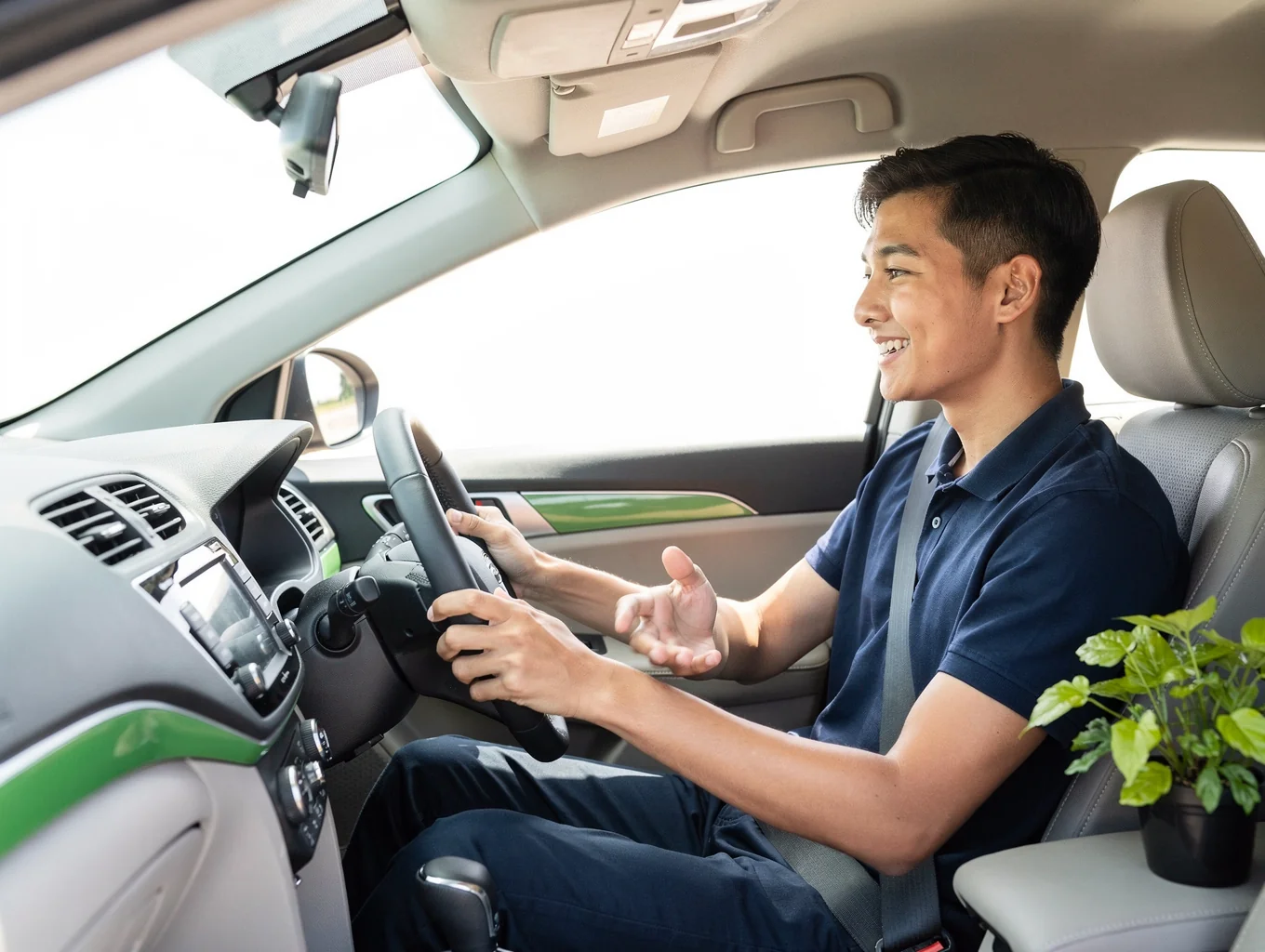
First question: can they teach when you're available?
This is arguably the most important question. Many instructors work weekdays, others offer evenings, weekends or Sundays; some have waiting lists.
For example, if you are at college with a free period every Tuesday 11am–1pm, there's little point comparing rates, reviews and methods if they can't teach in that window.
Checklist of questions to ask about availability:
- Can you offer lessons on my preferred days and times?
- Do you teach evenings, Saturdays or Sundays?
- Can I have a regular weekly appointment?
- How soon could I start?
- Where can you collect me from — home, school, college or work?
Fully qualified (ADI) or trainee (PDI)? Don't rule either out
ADI (Approved Driving Instructor): Fully qualified, having completed all three stages of the DVSA qualification process, and officially registered to provide paid tuition.
PDI (Potential Driving Instructor): Holds a valid DVSA trainee licence, is actively working towards full qualification, and is legally permitted to provide paid lessons.
Already passed ADI Part 1
They have passed the DVSA instructor theory and hazard perception test before they ever teach a paid lesson.
At least 40 hours of training
They have completed a minimum of 40 hours of rigorous professional instruction before receiving a trainee licence.
Supported by a mentor
A dedicated trainer or mentor supports and guides them throughout as they teach on the road.
20% of lessons monitored
A fifth of their lessons are directly monitored to maintain high educational and safety standards.
PDIs are already very knowledgeable, and the standard of provisional/trainee instructors is generally excellent — so don't discount anyone with a PDI or an ADI licence. A PDI may be enthusiastic, well prepared and well supported.
Tip: Ask about qualifications, experience and whether they hold the right registration or trainee licence, and check status using the official GOV.UK service.
Independent driving instructor or national driving school?
Independent instructors often give a personal service, the same instructor throughout, a reputation you can research and a consistent relationship. Larger schools may offer centralised support, more instructors and potentially greater availability. Neither is automatically better.
Independent local instructors
- •Direct personal relationship and consistent communication with the instructor who actually teaches you.
- •Guaranteed same person and car for every single lesson and for your practical test.
- •Local reputation built entirely on word of mouth, community reviews and local pass rates.
Larger national schools
- •Centralised contact teams, online portals and pupil management apps.
- •Larger pools of instructors which can sometimes mean greater diary availability.
- •Standardised learning materials, structured pupil logbooks and brand recognition.
Personal preference: focus on the individual
Consider smaller independent instructors first, particularly those with strong local knowledge and a good reputation, but the most important factor is the individual who will actually teach you.
Always ask: Who will my instructor be? How long have they been teaching? Can I expect to stay with the same person throughout my tuition?
Experience and reputation
A good instructor is always happy to discuss their experience and approach openly.
Look at Google reviews, Facebook recommendations and feedback from friends and family. Don't rely only on star ratings; read what former pupils say about patience, reliability, communication and professionalism.
Questions to discuss with an instructor:
Manual or automatic: which should you choose?
Deciding between manual and automatic tuition depends on your vehicle expectations, timetable, budget and comfort behind the wheel.
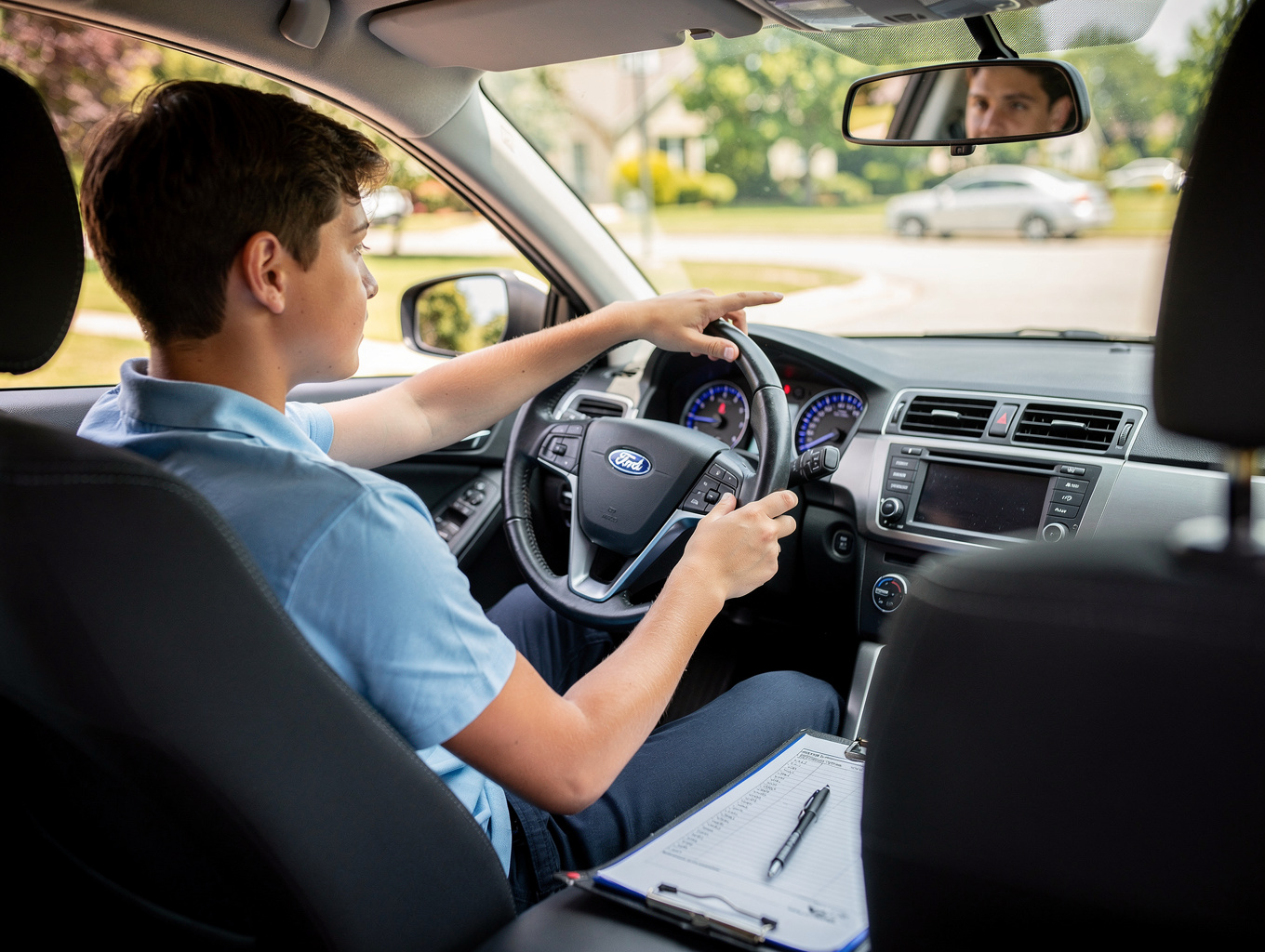
Automatic tuition
Automatic lets you concentrate on steering, road positioning, observation, hazards and decisions without a clutch or gear changes; for many beginners the early stages feel simpler and less stressful.
Personal recommendation:
Seriously consider automatic, especially if you expect to drive an automatic or electric vehicle.
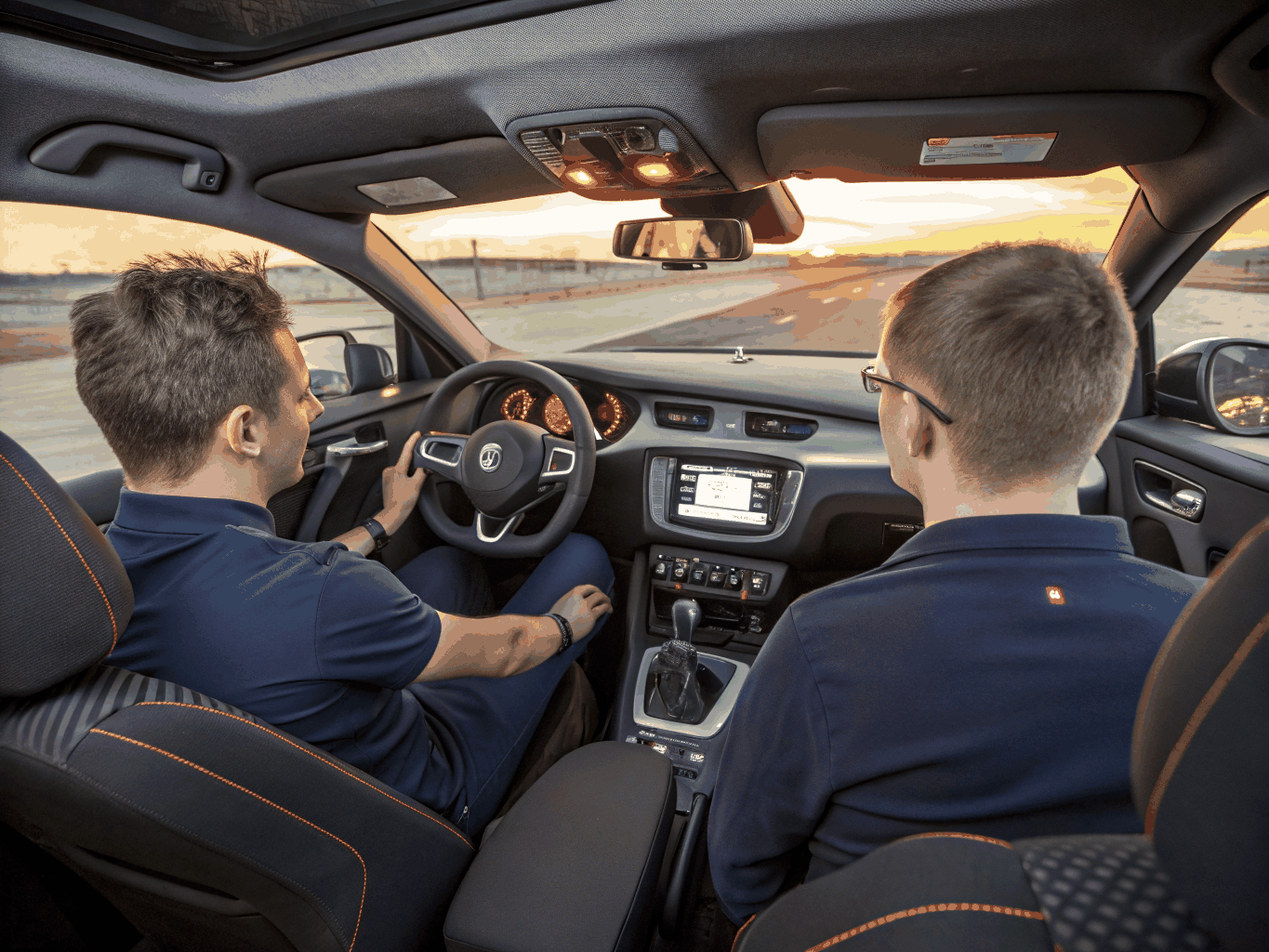
Manual tuition
Passing in a manual normally allows you to drive both manual and automatic cars, giving you total freedom over what you drive once qualified.
Manual may be worthwhile if you expect to buy an older cheap manual car, drive manuals for work or want maximum flexibility across all vehicle types.
Realistic expectations: Automatic lessons may save some learners time, but there is no guaranteed percentage saving; costs depend on individual progress, lesson rates and private practice opportunities.
Practising with family or friends
Some learners get all tuition from a professional; others combine weekly lessons with supervised practice in a family car.
If you'll practise regularly with a parent, tell your instructor — for example, one or two hours of professional tuition each week supported by several hours of private practice. A good instructor can help plan what to practise between lessons, monitor progress and avoid bad habits.
Legal requirements: Private practice must comply with the relevant supervision, insurance and learner-driver rules (the supervising driver must be over 21 and have held a full licence for at least 3 years).
How an instructor supports private practice
Teamwork between instructor, pupil and supervisor
Targeted practice goals
Suggesting specific routes, junction types or manoeuvres to rehearse between lessons.
Preventing bad habits
Ensuring routines (like Mirrors-Signal-Manoeuvre) remain strictly aligned with current test standards.
Progress reviews
Reviewing private drive logs to see where confidence is developing and what still needs attention.
Additional needs or nerves
Everyone learns differently. If you have dyslexia, ADHD, autism, a physical disability, anxiety or simply feel nervous, discuss your needs before choosing or starting with an instructor.
Ask whether the instructor can adapt their teaching style, provide visual explanations, break lessons into smaller steps or offer a quieter learning environment. The right instructor should help you feel supported, not rushed or embarrassed.
Instructors can break down complex junctions into bite-sized stages, offer visual explanations or slow the pace to suit neurodiverse learners.
If you experience anxiety or panic, your instructor will ensure a zero-pressure atmosphere where pulling over to regroup is always encouraged.
Advance notice of each lesson plan and quiet routes reduce uncertainty, allowing you to build confidence at your own steady speed.
What lessons actually cost
Don't choose solely on the cheapest hourly rate. Tuition rates vary across Horsham and Sussex depending on vehicle running costs, transmission and experience.
An instructor charging slightly more but helping you progress efficiently could offer better overall value than someone cheaper who takes twice as many lessons to get you test-ready.
A checklist to compare what lessons actually cost:
Find the instructor who fits you
Start with availability; then compare qualifications, experience, reputation, teaching style and prices. A patient instructor who understands your goals, teaches when you're available and communicates clearly is likely a better choice than simply picking the cheapest.
Learning to Drive in Horsham is an independent educational resource. Our aim is to help local learners understand the driving process, prepare for lessons and find suitable professional tuition. While you're searching, explore our free driving lesson guides, Highway Code explanations, quizzes and practical driving tips.
Stuck on a term or acronym?
Look up DSSSM, MSPSL, clutch bite and more in plain English in the Jargon Buster.